Salon
Rebooking rate is the lever almost no salon owner is pulling
Most salons obsess over new clients while leaving the highest-ROI lever untouched. Here's the rebooking math and what fixes it.
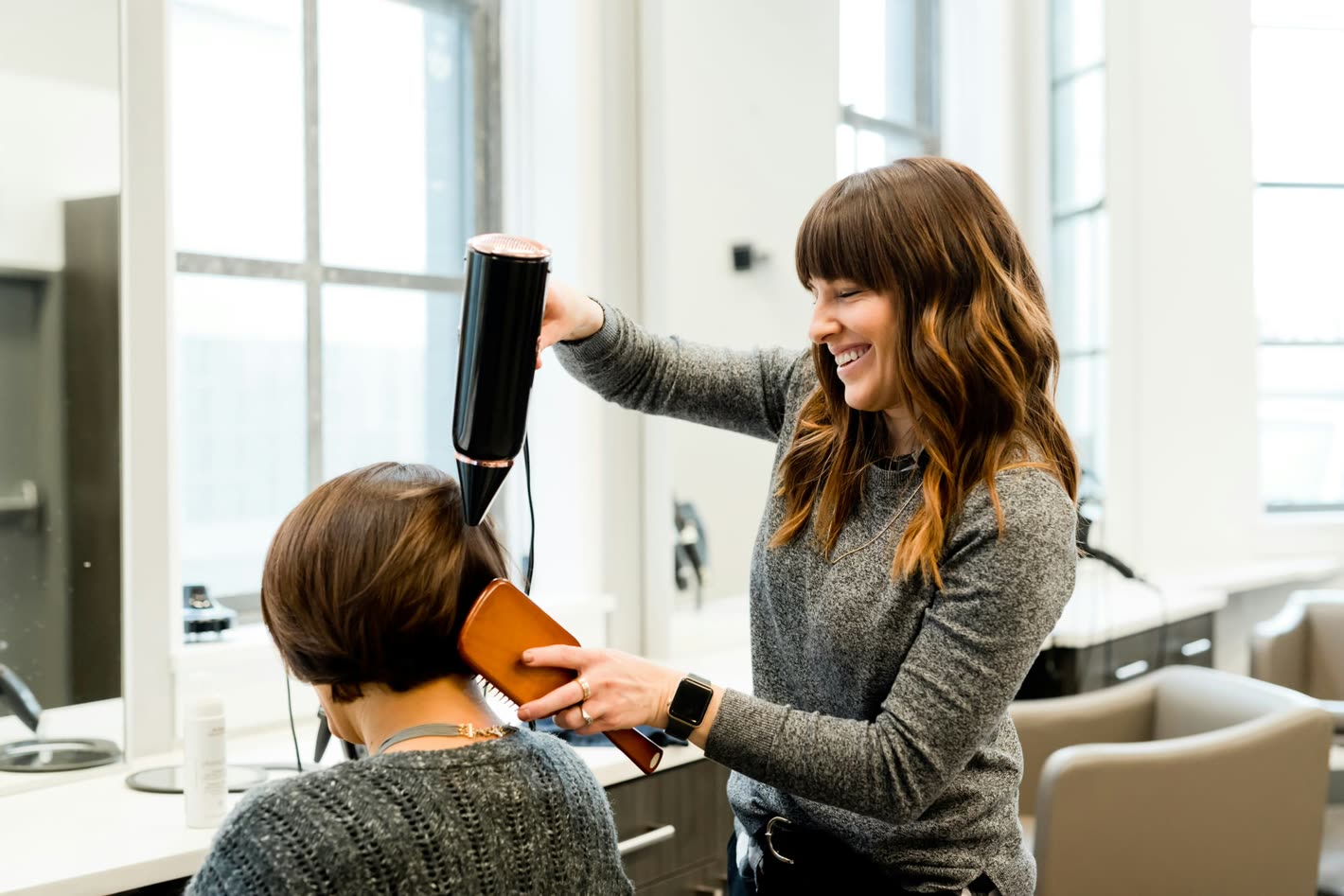
It's 6:42pm on a Thursday. A senior stylist is sweeping up after her last client of the day, a regular she's been seeing every six weeks for three years. The client just hugged her, said "this is the best my hair has ever looked," and walked out the door without booking the next appointment.
The stylist watched it happen. She thought about saying something at the front desk. The phone rang, the next client was already at the chair, and the moment passed.
That client probably comes back. Probably. But "probably" is doing a lot of work in that sentence, and it's where most salons quietly bleed revenue every single week.
The number nobody on the floor is tracking
Ask ten salon owners what their average ticket is and most will give you a number within five dollars. Ask them what their rebooking rate is and you'll get a shrug, a guess, or a long pause.
This is strange, because rebooking rate is the single biggest lever on the business. Bigger than ticket size. Bigger than retail attach. Bigger than new client acquisition, by a wide margin.
Here's roughly what we see across salons that actually measure it:
- A salon with a 40 percent rebooking rate is constantly chasing. The book has gaps. Tuesdays look thin. Marketing spend goes up to fill the schedule. Stylists feel the slow weeks.
- A salon with a 70 percent rebooking rate runs on rails. The book fills itself six weeks out. New client work is bonus, not survival. Tuesday is just another day.
Same town, same prices, same talent. Different revenue ceiling by a factor of almost two.
Why the chair is the only moment that matters
A client who books their next appointment before they leave the chair is, for all practical purposes, a guaranteed return visit. They've committed. It's on their calendar. They're yours for another cycle.
A client who walks out without booking is something else entirely. They are now a free agent in a market full of salons. The next time they think about a haircut or color, they're roughly a coin flip to book with you, depending on how busy life gets, what their friend recommends, what Instagram serves them, and which salon they happen to walk past on a Saturday.
The gap between those two scenarios is enormous. And it almost entirely comes down to whether someone said the words "want me to get you back on the books?" before the client picked up their bag.
Why it slips
Nobody at a salon is against rebooking. They just don't have a system for it, and a few small frictions compound into a big leak.
The stylist forgets. Especially with regulars. Especially at the end of a long day. The closer the relationship, the more the rebooking conversation feels presumptuous, even though the client expects it.
The front desk is slammed. Checkout is the busiest two minutes of the visit. Phone is ringing, retail is being rung up, the next client is waiting. "Want to book your next one?" gets skipped to keep the line moving.
The client says "I'll call to schedule." They mean it in the moment. Then they get in the car, life happens, and six weeks turns into nine, then twelve, then they drift.
Nobody is tracking who hasn't rebooked. The clients who walk out unbooked vanish from the radar until they show up six months later, or don't.
What actually moves the number
Three things, in order of impact.
Rebook at the chair, not the front desk. The conversation has to happen while the client is still in the chair, with the stylist they trust, in the moment they feel best about their hair. Not at checkout when they're juggling a card and a coat. The booking can be finalized at the desk, but the ask happens earlier, every single time.
Automated reminder, on a smart cadence. A confirmation when the appointment is booked. A nudge a week out. A reminder the day before. Not five generic messages. Two or three useful ones, in a voice that sounds like the salon, not a corporate template.
Win-back when someone goes quiet. A client whose typical cycle is six weeks and is now at week nine is not a "lost client" yet. They're a client who needs one well-timed message. The win-back has to fire at the right moment, with the right tone, and feel personal. A generic "we miss you" blast at month three is too late and too cold.
The salons that do all three see rebooking rates climb steadily over a few months, and the schedule starts to feel different. Less chasing. More compounding.
The takeaway
If you're spending money on ads to bring in new clients while your rebooking rate sits at 40 percent, you're filling a bucket with a hole in it. The new client work is fine. It's just not where the leverage is.
The leverage is in making sure the regulars who already love the work get on the books before they leave the chair, get reminded in a way that feels human, and get pulled back in when they go quiet.
That's the part Nephew handles, quietly, in the background. The reminders, the win-backs, and the nudge to the front desk when a client is about to walk out without a next appointment.