Med spa
The med spa funnel collapses in the gap between inquiry and consult
Most med spa marketing puts the dollars at the top of the funnel. The leak is usually further down. Here's where, and what closes it.
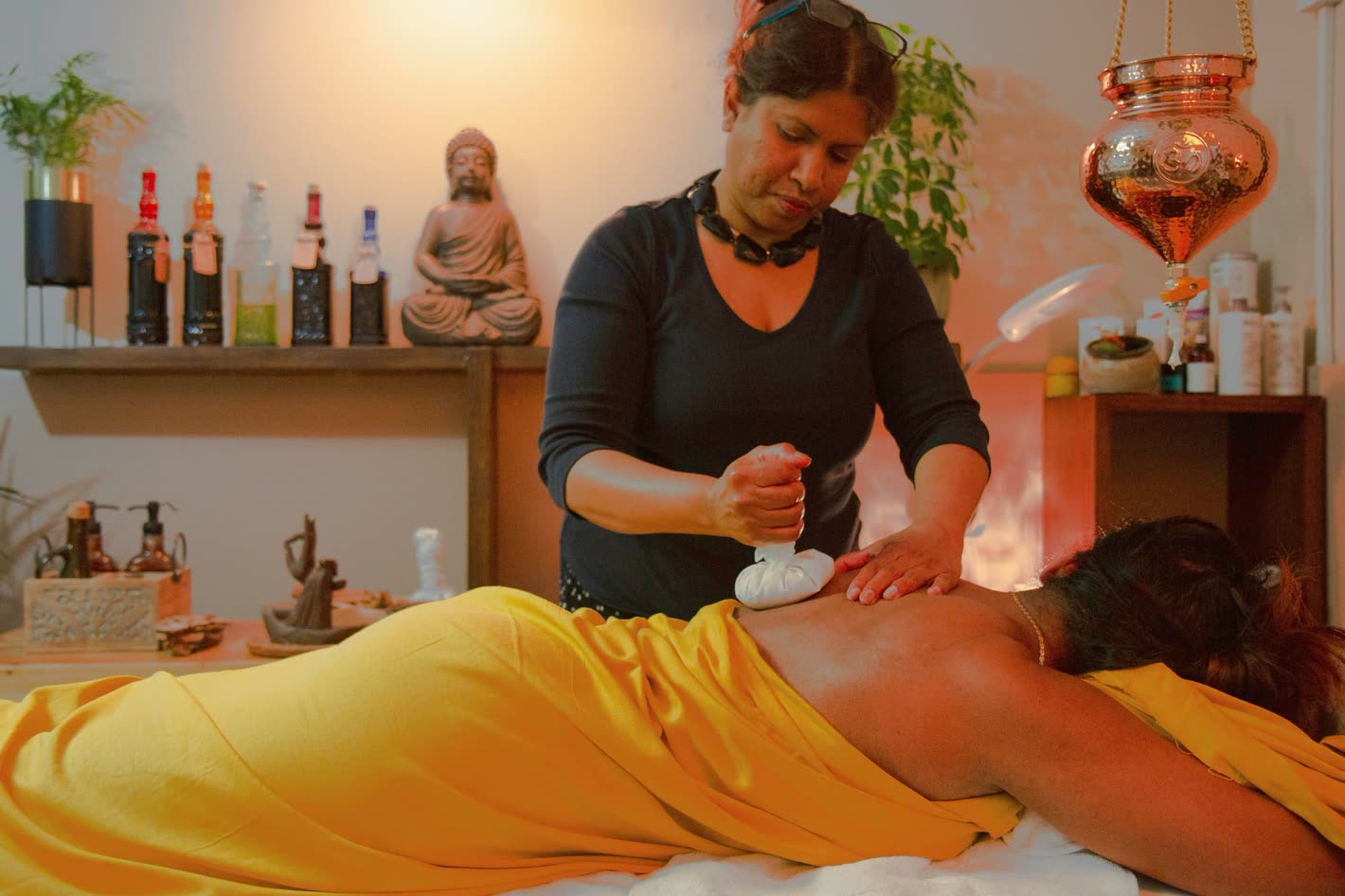
It's 11:08pm on a Sunday. A woman is in bed, scrolling Instagram, half-watching a show. A reel from a med spa twenty minutes from her house comes across the feed. Before-and-afters of lip filler, a clean grid, a voice she likes. She taps through to the profile, reads the bio, and sends a DM. "Hi, I've been thinking about getting filler for the first time and have a few questions. Do you have any availability in the next couple weeks?"
She sets her phone down and goes to sleep.
The DM is opened the next afternoon at 1:42pm. The reply, when it comes, is a copy-pasted block: "Thanks for reaching out! We'd love to have you in for a consult. Please call the front desk at..." No mention of filler, no mention of pricing, no acknowledgment that she said it was her first time.
By 1:42pm the next day, she's already booked at the spa two towns over that wrote back at 11:24pm with a real answer.
Where the funnel actually breaks
Most med spa marketing budgets are top-of-funnel. Reels, paid social, influencer seeding, the occasional Google ad. And it works, in the sense that the inquiries come in. DMs, form fills, "hi, do you do morpheus8" texts, the whole stream.
The problem isn't lead volume. It's that somewhere between "I'm interested" and "I'm sitting in your treatment room," roughly half of those leads disappear. And it's not random. The leak is concentrated in three specific places.
1. Response time, on the channel they actually used
The inquiries come in at 9pm, 11pm, Sunday morning, Tuesday lunch break. Almost never during the hours your front desk is staffed and not on the phone.
The default response cycle at most spas is: lead comes in overnight, gets seen the next time someone has a moment, gets a reply 6 to 18 hours later. By then the person has moved on or booked elsewhere.
Everyone agrees this is a problem and almost nobody fixes it properly. An auto-reply that says "thanks, we'll get back to you" doesn't count. The lead wants their actual question answered.
2. Generic responses to specific questions
The second leak is subtler. Even when someone does reply quickly, the reply often doesn't address what was actually asked.
Someone DMs about filler for the first time. They get back: "We'd love to have you in for a consult." They asked a question. They got a redirect.
First-time aesthetic patients are nervous. They're trying to figure out if you're the right place, if you're going to listen, if they're going to walk out looking like themselves. A reply that doesn't engage with what they asked tells them, before they even meet you, that they're going to be processed.
The replies that convert sound like a person. They name the treatment, give a price range, acknowledge it's the first time. They answer the actual question, then offer the consult.
3. No second touch
The third leak is the quietest one. A lead asks a question. Someone replies. The lead doesn't book right away. And then nothing.
A meaningful share of med spa leads, easily a third, don't book the consult on the first exchange. They're researching. They're checking in with a partner. They're waiting for payday. If you don't follow up two days later, four days later, two weeks later, you're relying on them to remember you and come back. They mostly don't.
A simple, warm follow-up sequence (not a marketing blast, an actual message) recovers a real percentage of these. Most spas don't run one because nobody has the time to build it and nobody is checking who didn't respond.
What this is worth
Med spa LTV is the part of the math that makes all of this matter.
A first-time filler appointment runs roughly $600 to $900. A laser package, $1,200 to $3,500. A Botox patient who comes back three times a year for a few years is worth $2,000 to $4,000 in lifetime revenue, easily more with add-ons. Membership patients are worth more than that.
So when you lose a first-time inquiry to a slow reply, you're not losing $600. You're losing the consult, the first treatment, the rebook, the friend they would have referred, and the membership.
If a spa is getting 80 inquiries a month and converting 20 of them to booked treatments, getting that number to 30 is an extra $6,000 to $30,000 a month in first-treatment revenue, before you count everything that comes after.
The marketing budget that drove those 80 inquiries was probably the biggest line item on the P&L. The fix for the conversion gap usually costs a fraction of it.
What works
The thing that closes the gap isn't a new CRM or a sharper ad. It's coverage and care on the inbound side, every hour, every channel.
A reply within minutes, on the channel the lead used, that names the treatment, gives a price range, and offers the consult. A second touch a few days later if they didn't book, written like a person who remembered them. Notes carried into the consult so the front desk and the injector both know what was asked the first time.
That's not a tool, exactly. It's a discipline that runs around the clock, in the spa's voice, never tired, never overloaded, never on a different shift.
That's the part Nephew runs, on every channel a med spa gets inquiries on. The marketing fills the top of the funnel. We make sure the bottom holds.