Dental
The reactivation gap that's quietly costing dental practices
Hundreds of dormant patient charts sitting in your PMS, and no one has time to reach out. Here's the math, and what actually works.
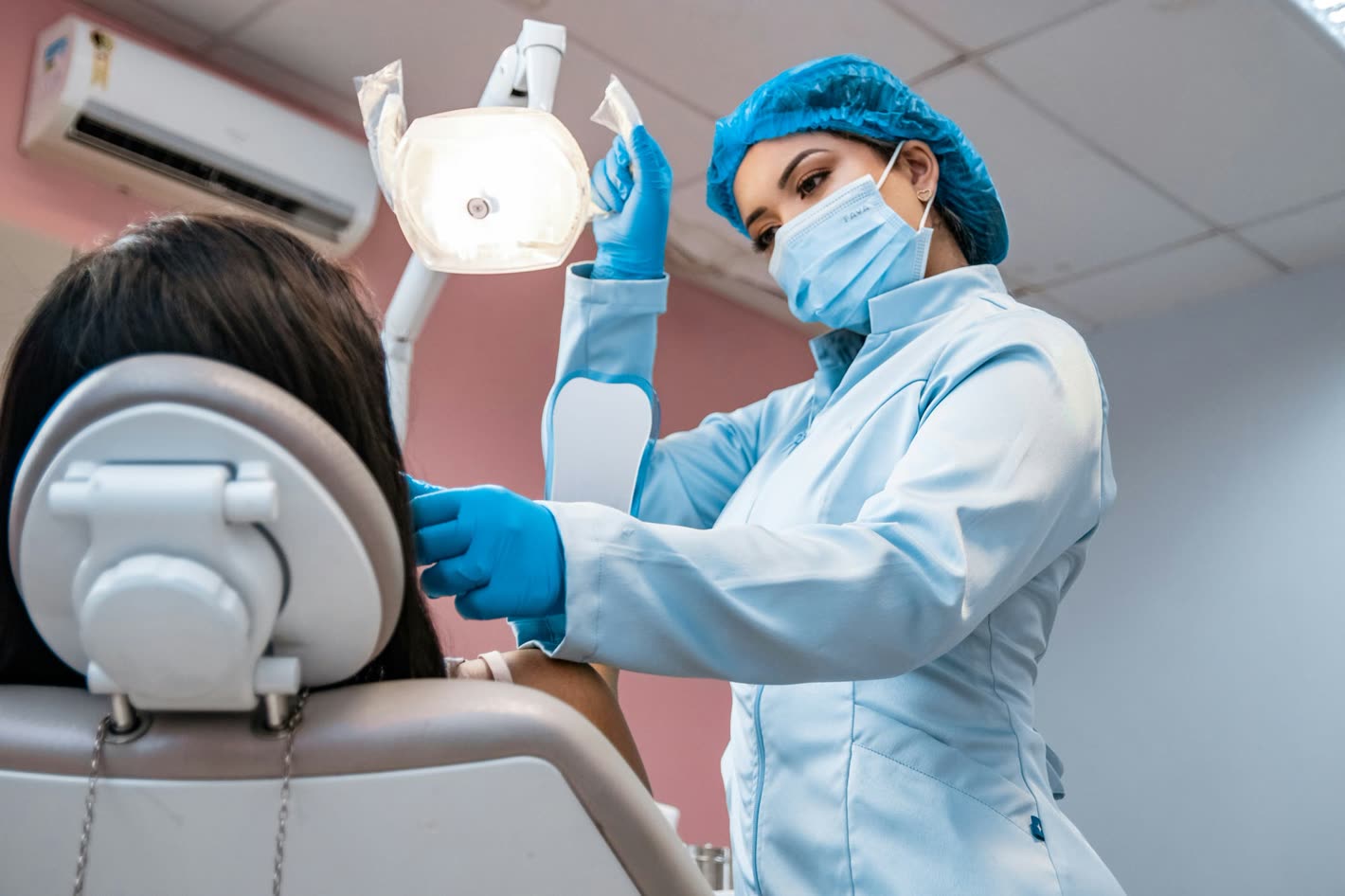
It's a Thursday afternoon and the hygienist is looking at next Tuesday's schedule. Three open slots in the morning. Two more after lunch. The kind of gaps that turn a $4,000 day into a $1,800 day.
Meanwhile, sitting inside the practice management software, are roughly 600 patient charts marked active that haven't been seen in two years or more. Some moved away. Some switched to a competitor. Most just drifted. Life got busy, the recall postcard got tossed, and nobody followed up.
Those 600 charts are the schedule for next Tuesday. They just haven't been asked yet.
The quiet leak
Every dental practice has this. The names are different but the pattern is identical:
- A few hundred to a few thousand patients in the PMS who haven't been in for two-plus years.
- A front desk that already runs at full capacity confirming tomorrow's appointments, answering the phone, processing insurance, and checking patients in and out.
- A recall system that pings six months out and then quietly gives up after the first or second unanswered text.
Nobody decided to ignore those patients. There's just no time, and no system, to bring them back one by one.
The math, if you want to be honest about it
A returning hygiene patient is worth roughly $400 to $600 a year in cleanings and exams alone. Add in the work that gets diagnosed during those visits, fillings, a crown here and there, the occasional bigger case, and the lifetime number per active patient lands closer to $800 to $1,200 a year on average.
If a practice has 500 dormant charts and reactivates even 15 percent of them, that's 75 patients back on the schedule. At a conservative $600 a year each, that's $45,000 in annual revenue from people who were already in the system. No new ads. No new SEO. No new signage on the building.
This is, by some distance, the highest-margin growth available to most practices. And almost nobody is doing it well.
Why the usual fixes don't work
There's no shortage of attempts at this. Most of them fail in predictable ways.
The mass email blast. "We miss you! Schedule your cleaning today." Sent to 600 dormant patients at once. Open rates in the single digits. The few who do open it can tell it wasn't written for them, and the message goes straight to archive. Worse, it trains the inbox to filter the practice into promotions for everyone else.
The postcard mailer. Expensive per piece, slow, and aimed at an address the patient may not even live at anymore. The ones who get it glance at it and toss it. The conversion rate is real but small, and the cost per booked appointment is rough.
The "we'll get to it next quarter" plan. The front desk knows the dormant list exists. They keep meaning to call through it. They never do, because the phone is ringing and the next patient just walked in. Six months later the list is bigger, not smaller.
The generic recall reminder loop. A text goes out every six months saying it's time for a cleaning. After the first ignored one, the system keeps sending the same message. Patients tune it out. The reminders become wallpaper.
The common thread: none of these are personal, none of them are well-timed, and none of them respond to what the patient actually says back.
What actually works
Reactivation is one of those problems that looks like a marketing job but is actually a memory and timing job.
The version that works does a few things at once:
- Knows each patient's history. When was their last cleaning. What work did they have done. Were they a regular for years before they drifted, or were they always sporadic. Did they have a treatment plan that was started but never finished.
- Reaches out at the right moment. Not on a fixed six-month cadence for everyone. Some patients respond to a nudge at the two-year mark. Some need to hear from the practice in January when their insurance benefits reset. Some are most likely to book in late summer before school starts.
- Writes a message that sounds like the practice, not a template. Specific to that patient. References the last visit, the work that's still pending, the hygienist they used to see. Short, warm, and human.
- Handles the reply. When the patient texts back asking about availability or pricing or whether Dr. So-and-so is still there, the response is immediate and on-brand. Not a generic "we'll have someone call you tomorrow."
- Books the appointment directly. Into the existing PMS. The hygienist sees a filled slot on Tuesday morning. The front desk doesn't have to do anything except greet the patient when they walk in.
This is the kind of work that's been impossible to do at scale until very recently. Doing it well used to mean a dedicated staff member spending hours a week pulling lists, drafting personal notes, and following up. Most practices can't justify that headcount, so it doesn't get done.
The takeaway
Every dental practice is sitting on a list of patients who already know the office, already trust the doctor, and already have a chart in the system. They're not lost. They've just gone quiet.
The reactivation gap isn't a marketing problem. It's a bandwidth problem. The practice doesn't need more leads. It needs someone, or something, to work the list it already has.
That's the part Nephew handles. Reactivation outreach that knows each patient's history, picks the right moment, writes a message that sounds like the practice, and books the appointment back into the schedule.