Auto repair
Why auto shops lose half their estimates after the customer leaves
The post-estimate ghost is the biggest leak in most repair shops. Here's why it happens and what closes the loop.
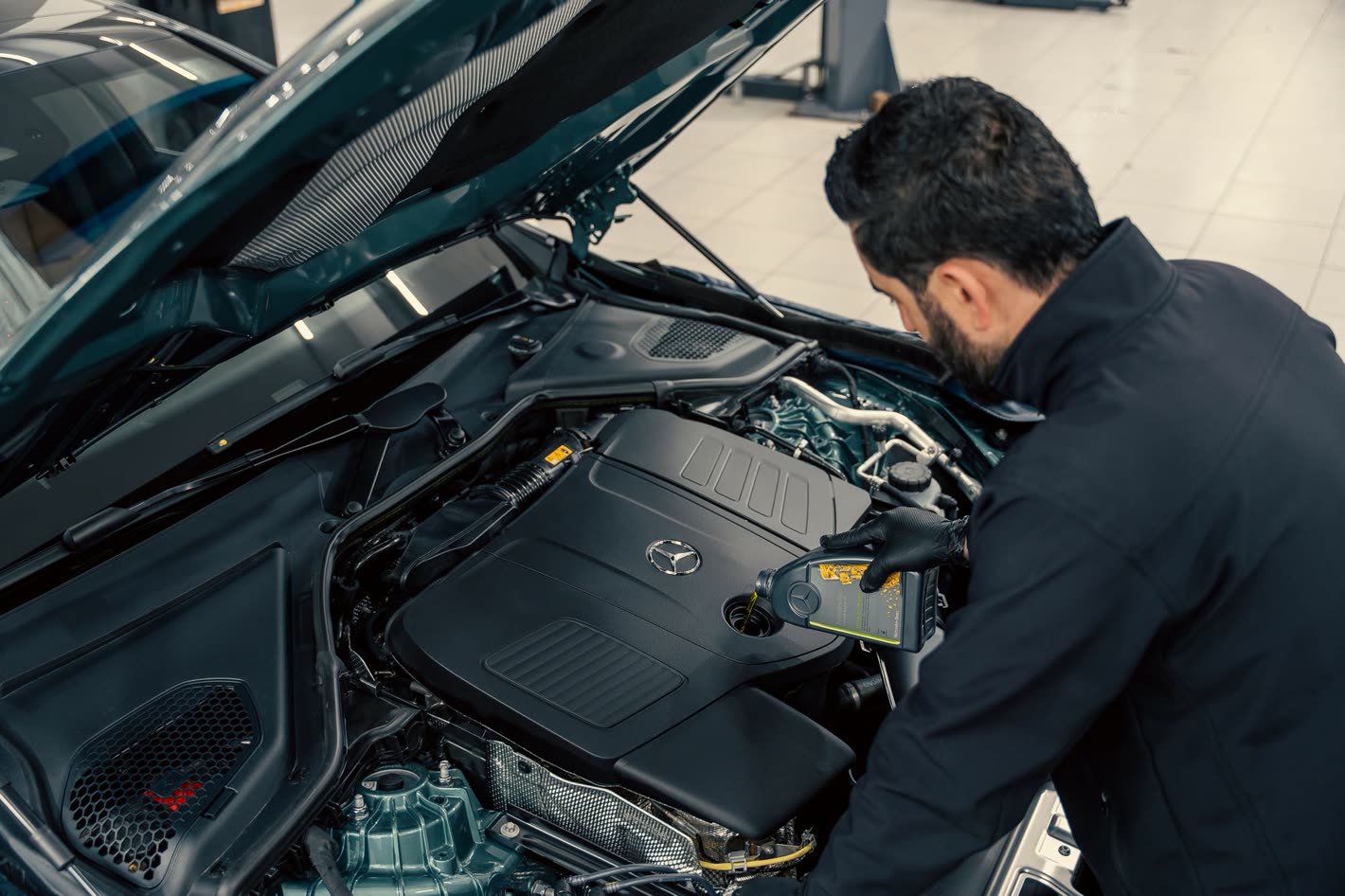
It's 5:47pm on a Thursday. The bay doors are rolling down. The service writer is sitting at the front counter with a stack of paper estimates, twelve deep. Front struts and a control arm on a Subaru. Timing chain on a Civic. Brakes, rotors, and an oil leak diagnosis on an F-150. None of them came back today. None of them called.
Most of these people stood right where she's sitting two days ago, nodding along while she explained what was urgent and what could wait. Most of them said some version of "let me think about it" or "I'll call you tomorrow." Tomorrow came and went.
She knows she should follow up. She also knows the phone has been ringing all day, three techs need parts ordered, and her kid has a soccer game at 6:15. The stack goes in a folder. The folder goes in a drawer. Most of those jobs will never become repair orders.
The leak nobody quite sees
Most independent shops we've looked at write between $80,000 and $200,000 a month in estimates. Around 40 to 55 percent gets approved on the spot or within a day. The rest is what the industry calls "deferred work."
Deferred is a generous word. The honest word is ghosted.
Here's the part that surprises people. When you call those customers a week later and ask what happened, the answer is almost never "I went somewhere cheaper." It's some version of:
- "Oh, I totally forgot. Can you book me Saturday?"
- "I meant to call. Work got crazy."
- "I was waiting on my paycheck and then it slipped my mind."
- "My husband and I never got around to talking about it."
The customer didn't shop you. They didn't decide against the work. They just got busy and the estimate slid out of their head. A $1,800 brake-and-suspension job that was going to happen, gone, because nobody nudged.
Why the usual follow-up doesn't happen
Shops know follow-up matters. They've been told a hundred times. The reasons it still doesn't happen are not mysterious.
The service writer is buried. Answering the phone, writing tickets, walking customers out, chasing parts. Sit-down time to call yesterday's estimates does not exist on a normal day.
The phone calls feel awkward. Calling a customer to ask if they're going to spend $1,800 feels pushy, even when it isn't. Service writers put it off, and putting it off becomes never doing it.
The generic text blast is worse than nothing. A "Hi! Just checking in on your estimate!" from a marketing tool reads like spam. You haven't reminded them about their car. You've reminded them you're a business that wants their money.
Most shop management systems have follow-up features that nobody uses. The flag is in there somewhere. Nobody has time to log in, filter, and start dialing. So the feature sits.
What the dollars look like
Take a shop writing $120,000 in estimates a month, with roughly half walking out unsigned. That's $60,000 a month in deferred work. Conservative.
If a well-timed follow-up sequence recovers even 15 to 25 percent of that, you're looking at $9,000 to $15,000 a month in jobs that were already diagnosed, already estimated, and already half-sold. No new advertising. No new customers. Just closing what's already in your pipeline.
That math is why the post-estimate ghost is, quietly, the single biggest fix available in most shops.
What actually works
The follow-up that closes is not a phone call from a stressed service writer at 4:55pm. It's a short, specific text. The pattern looks like this.
Timed right. 36 to 48 hours after the estimate, not the same day, not a week later. Long enough that the customer has had time to think. Short enough that the car is still on their mind.
Sent at a human hour. 10am Tuesday, not 7:43pm Sunday. Mid-morning on a weekday is when people answer texts about their car.
References the actual job. Not "checking in on your estimate." Something like: "Hey Marcus, it's Lisa at Fairview Auto. Wanted to circle back on the front struts and control arm we looked at on the Outback. We've got a slot Saturday morning if that works. Want me to hold it?"
That message does three things. It reminds them what the job is. It signals a real person remembers them. And it offers a specific next step, not a vague "let me know."
One-tap booking. A link that drops them into your scheduler with the job already loaded. The friction between "yes" and "on the calendar" should be one tap.
Stops when it should. If they say no, no more texts. If they book, no more texts. The shops that burn this channel send four follow-ups when one would have done it.
The takeaway
You don't need more leads. You need to stop losing the ones who already walked into your bay, popped the hood, and got a number put in front of them. Those customers are warmer than any ad click will ever be.
The shops that close that loop pull a meaningful chunk of revenue out of work that would have otherwise gone quiet. The shops that don't keep wondering why the schedule is light on Tuesdays.
That follow-up loop, timed and personalized and tied to the actual estimate, is one of the things Nephew runs in the background for shops. Quietly closing the work that was already half-sold.